
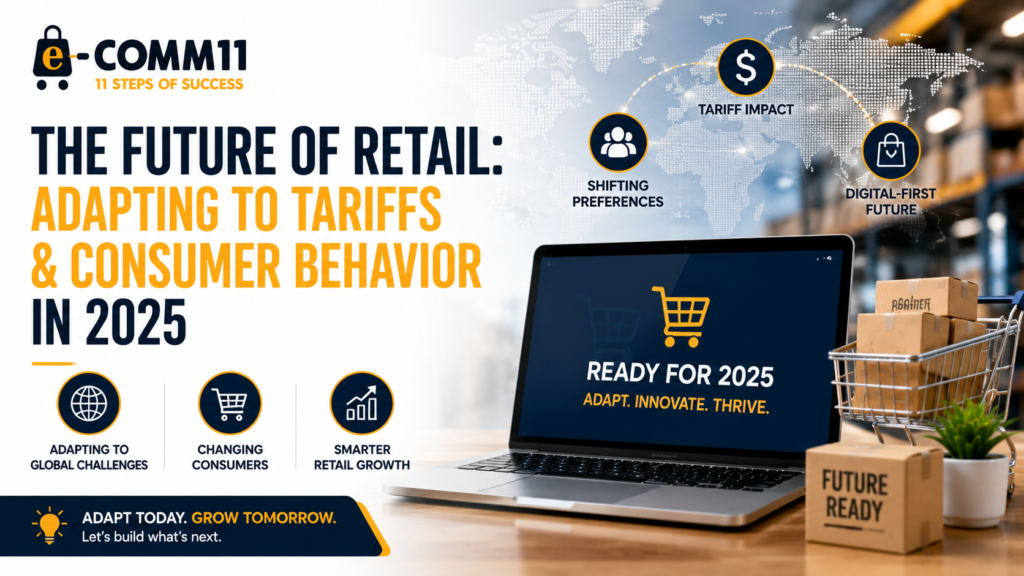
The retail landscape is constantly evolving, influenced by various factors including tariffs and shifts in consumer behavior. As we approach 2025, understanding these changes is crucial for businesses looking to thrive in ecommerce and retail. This blog will explore the future of retail and offer insights on how businesses can adapt effectively.
Understanding Tariffs in Retail
Tariffs are taxes imposed on imported goods, and they can significantly impact retail pricing and availability. As global trade relationships evolve, businesses must navigate these changes to remain competitive.
How Tariffs Affect Retail
- Increased Costs: Tariffs can raise the cost of imported goods, leading to higher prices for consumers.
- Supply Chain Disruptions: Changes in tariffs can affect supply chain dynamics, making certain products harder to source.
- Market Choices: Retailers may need to diversify suppliers or switch to local manufacturing to avoid high tariffs.
Shifts in Consumer Behavior
As we move toward 2025, consumer behavior is changing rapidly due to technological advancements and shifting values. Understanding these trends is essential for retailers.
Key Changes in Consumer Preferences
- Sustainability: Many consumers prefer eco-friendly products and brands that prioritize sustainability.
- Digital Shopping: Online shopping is becoming the norm, with consumers expecting seamless experiences.
- Personalization: Shoppers now seek personalized experiences, from product recommendations to tailored communications.
Adapting to the Future of Retail
Retailers must innovate to keep up with the evolving landscape. Here are some actionable steps to adapt to changes:
1. Embrace Technology
Invest in technology such as AI and machine learning to analyze consumer data and predict trends. This allows for targeted marketing and inventory management.
2. Focus on Omnichannel Experiences
Provide consumers with a seamless shopping experience across all channels, whether it’s online, in-store, or via mobile. This can enhance customer satisfaction and loyalty.
3. Enhance Product Offerings
Consider sourcing and promoting local products to minimize the impact of tariffs and appeal to sustainability-focused consumers.
Conclusion
The retail industry is on the brink of significant transformation as we head into 2025. By understanding the impacts of tariffs and adapting to changes in consumer behavior, businesses can position themselves for success. Staying informed and proactive is essential for thriving in this dynamic environment.