
The Role of Influencer Marketing in Ecommerce
By Avinash ·
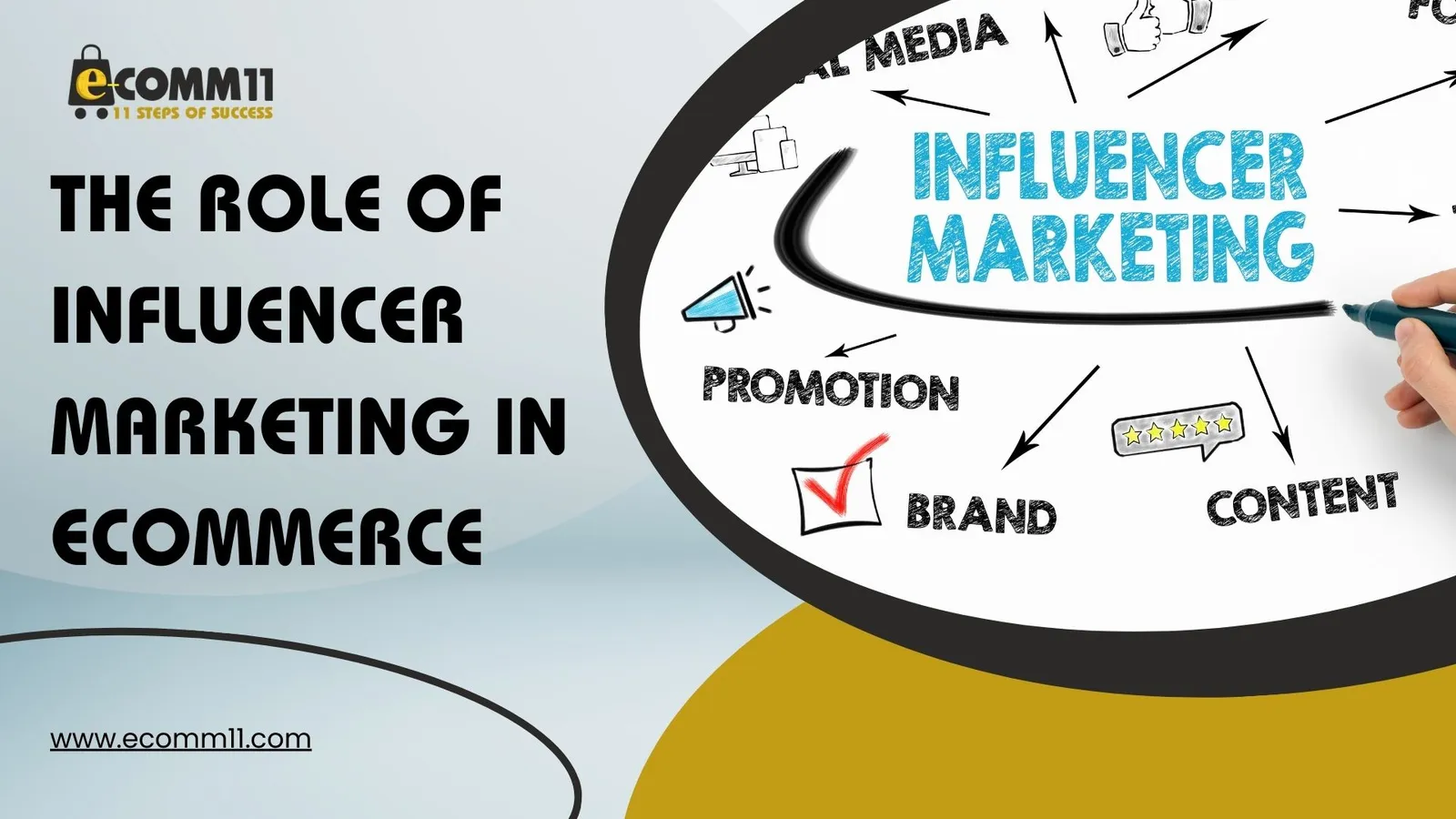
Today’s ecommerce customers don’t make buying decisions the same way they did a few years ago. Instead of relying only on advertisements or product descriptions, many shoppers discover products through social media, creator recommendations, product reviews, and short-form videos. Before making a purchase, they often look for authentic opinions from people they trust.
This shift has transformed influencer marketing from a brand awareness tactic into one of the most effective customer acquisition channels for ecommerce businesses.
However, influencer marketing isn’t simply about paying someone with a large following to promote your products. Successful campaigns require choosing the right creators, setting clear objectives, measuring results, and creating content that genuinely connects with customers.
In this guide, we’ll explain the role of influencer marketing in ecommerce, its benefits, different campaign types, common mistakes, and best practices to maximize your return on investment.
What Is Influencer Marketing?
Influencer marketing is a digital marketing strategy where businesses collaborate with content creators, industry experts, or social media personalities to promote products and services to their audience.
Unlike traditional advertising, influencer marketing focuses on recommendations and authentic content that feels more natural to consumers.
Influencers create product-focused content through:
- Product reviews
- Unboxing videos
- Tutorials
- Lifestyle content
- Live demonstrations
- Social media posts
- Short-form videos
- Live shopping sessions
Because audiences often trust creators they follow, these recommendations can influence purchasing decisions more effectively than conventional advertising.
Why Influencer Marketing Matters for Ecommerce
Online shoppers have more choices than ever before. With thousands of similar products available, building trust quickly has become one of the biggest challenges for ecommerce businesses.
Influencer marketing helps bridge this trust gap by introducing products through familiar and trusted voices.
For ecommerce businesses, it can help:
- Increase brand awareness
- Reach targeted audiences
- Build customer trust
- Improve product discovery
- Generate qualified traffic
- Increase conversions
- Support long-term brand growth
Rather than interrupting the customer journey, influencer content becomes part of how customers naturally discover products.
How Influencer Marketing Works
A typical influencer marketing campaign follows several stages.
Step 1: Define Campaign Objectives
Businesses should first decide what they want to achieve.
Common objectives include:
- Brand awareness
- Website traffic
- Product launches
- Sales
- Lead generation
- Customer engagement
Clear goals make campaign performance easier to measure.
Step 2: Identify the Right Influencers
Choosing the right creator is more important than choosing the biggest creator.
Businesses should evaluate:
- Audience relevance
- Engagement rate
- Content quality
- Industry expertise
- Audience demographics
- Brand alignment
A creator with a smaller but highly engaged audience often delivers better results than one with millions of inactive followers.
Step 3: Create Valuable Content
Influencer content should educate, entertain, or solve customer problems rather than simply promote products.
Popular content formats include:
- Product demonstrations
- Before-and-after videos
- Buying guides
- Comparison videos
- Customer experiences
- Daily-use scenarios
Authentic storytelling generally performs better than scripted promotions.
Step 4: Measure Campaign Results
Successful campaigns are measured using business metrics rather than likes alone.
Important performance indicators include:
- Reach
- Engagement
- Website visits
- Sales
- Conversion rate
- Return on investment (ROI)
- Customer acquisition cost (CAC)
Data-driven analysis helps improve future campaigns.
Types of Influencers
Influencers can be grouped based on audience size.
Nano Influencers
Typically have smaller but highly engaged communities.
Suitable for:
- Local businesses
- Niche brands
- Budget-friendly campaigns
Micro Influencers
Micro influencers often focus on specific industries or interests.
They usually provide:
- Strong engagement
- Better audience trust
- Cost-effective collaborations
Many ecommerce brands prefer micro influencers because of their authentic relationships with followers.
Macro Influencers
Macro influencers have significantly larger audiences.
They are useful for:
- National campaigns
- Product launches
- Large-scale awareness
Celebrity Influencers
Celebrities provide extensive reach but generally require much higher marketing budgets.
They are often suitable for established brands with broader marketing objectives.
Benefits of Influencer Marketing for Ecommerce
Builds Customer Trust
Customers are more likely to trust recommendations from creators they already follow.
This trust can reduce hesitation during the buying process.
Improves Brand Awareness
Influencers introduce products to audiences that may not have discovered the brand otherwise.
This increases visibility and recognition.
Increases Website Traffic
Influencer campaigns often drive qualified visitors who already have an interest in the product category.
Qualified traffic generally converts better than untargeted traffic.
Supports Product Launches
Launching a new product becomes easier when creators generate excitement before and after release.
Reviews and demonstrations help customers understand product value.
Creates High-Quality Content
Businesses can often repurpose influencer-created content across:
- Ecommerce websites
- Product pages
- Social media
- Paid advertising
- Email marketing
This extends the value of each campaign.
How to Choose the Right Influencer
The right influencer varies depending on a business’s goals, audience, and industry.
Consider the following factors.
Audience Relevance
Followers should match your target customers.
Engagement Quality
Meaningful comments and conversations are often more valuable than high follower counts.
Content Style
Choose creators whose content aligns with your brand identity.
Authenticity
Authentic creators build stronger customer trust.
Previous Brand Collaborations
Review previous partnerships to understand content quality and professionalism.
Common Influencer Marketing Campaign Types
Businesses can use different campaign formats depending on their objectives.
Popular campaigns include:
- Product reviews
- Unboxing videos
- Giveaway campaigns
- Affiliate partnerships
- Brand ambassador programs
- Live shopping events
- Tutorial videos
- Seasonal promotions
Using multiple formats often creates stronger overall results.
Measuring Influencer Marketing ROI
One of the biggest concerns for businesses is determining whether influencer marketing generates measurable returns.
Important metrics include:
Reach
How many people viewed the content.
Engagement
Likes, comments, shares, and saves.
Website Traffic
Visitors arriving through influencer content.
Conversion Rate
The percentage of visitors who complete purchases.
Revenue Generated
Sales directly attributed to influencer campaigns.
Customer Acquisition Cost
The cost of acquiring each new customer.
Evaluating these metrics helps businesses optimize future collaborations.
Common Mistakes Ecommerce Businesses Make
Many influencer campaigns fail because of avoidable mistakes.
Choosing Followers Over Relevance
Large audiences do not always produce better sales.
Ignoring Campaign Objectives
Without clear goals, success becomes difficult to measure.
Providing Overly Restrictive Guidelines
Authentic content usually performs better than scripted promotions.
Failing to Track Results
Businesses should measure performance using analytics rather than assumptions.
One-Time Collaborations
Long-term partnerships often build stronger trust and better brand recognition.
Best Practices for Successful Influencer Marketing
To maximize campaign effectiveness:
- Work with influencers who genuinely fit your niche.
- Prioritize genuine storytelling over overt promotional messaging.
- Set measurable campaign goals.
- Track traffic, conversions, and revenue, not just engagement.
- Encourage creators to demonstrate products in real-life situations.
- Build long-term partnerships with high-performing influencers.
- Combine influencer campaigns with SEO, paid advertising, and email marketing for stronger overall results.
How Influencer Marketing Fits Into an Ecommerce Strategy
Influencer marketing works best when combined with other growth channels.
For example:
- SEO attracts customers searching for products.
- Google Ads capture high-intent buyers.
- Social media builds community engagement.
- Email marketing encourages repeat purchases.
- Influencer marketing introduces products through trusted recommendations.
Using these channels together creates a more balanced and sustainable marketing strategy.
Is Influencer Marketing Worth It for Ecommerce?
For many ecommerce businesses, the answer is yes, but only when campaigns are planned strategically.
Rather than focusing solely on follower counts, businesses should prioritize audience relevance, engagement quality, and measurable business outcomes.
Brands that consistently collaborate with the right creators, produce valuable content, and monitor campaign performance often achieve stronger brand recognition, improved customer trust, and higher sales over time.
Frequently Asked Questions
What is influencer marketing in ecommerce?
It is a marketing strategy where businesses collaborate with creators to promote products through authentic content and recommendations.
Does influencer marketing increase ecommerce sales?
It can improve brand awareness, customer trust, and conversions when campaigns are properly planned and measured.
Which influencers are best for ecommerce?
The best choice depends on your goals, but many businesses achieve strong results with niche-focused nano and micro influencers.
How do I measure influencer marketing success?
Track metrics such as website traffic, conversions, revenue, engagement, and return on investment.
Is influencer marketing suitable for small businesses?
Yes. Smaller businesses often benefit from working with highly engaged niche creators rather than expensive celebrity influencers.
How much does influencer marketing cost?
Costs vary depending on the creator’s audience size, engagement, content format, and campaign scope.
Can influencer marketing improve SEO?
While it is not a direct ranking factor, influencer campaigns can generate brand awareness, referral traffic, user-generated content, and backlinks that support broader digital marketing efforts.
Should influencer marketing replace paid advertising?
No. It works best as part of a broader ecommerce marketing strategy alongside SEO, paid ads, email marketing, and social media.
What to do next
Influencer marketing has become an essential part of modern ecommerce because it helps businesses connect with customers through trusted voices and authentic content. As consumers increasingly rely on recommendations, reviews, and creator-led product demonstrations, brands that build meaningful influencer partnerships can improve visibility, strengthen credibility, and increase sales.
However, successful influencer marketing is about more than finding creators with large audiences. It requires selecting partners who align with your brand, creating valuable content, measuring campaign performance, and continuously refining your strategy. When integrated with SEO, paid advertising, content marketing, and customer retention efforts, influencer marketing becomes a powerful tool for sustainable ecommerce growth in an increasingly competitive digital marketplace.
Related posts
Headless Commerce: What It Is and Why It Matters
BigCommerceIn the rapidly evolving world of ecommerce, businesses are constantly seeking innovative solutions to stay ahead of the competition. One such solution that has gained significant traction is headless commerce. But what exactly is headless commerce, and why does it matter? This blog will delve into the concept of headless commerce, its benefits, and why […]
Migrating Your Online Store: Best Practices and Common Pitfalls
BigCommerceMigrating your online store to a new platform is a significant decision that can enhance your business operations, improve customer experience, and boost your overall sales. However, the process can be complex and challenging without proper planning and execution. This comprehensive guide will walk you through the best practices for migrating your online store while […]
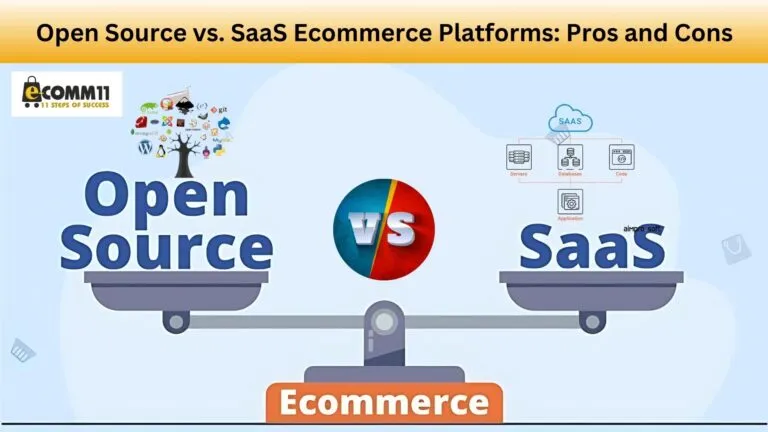
Open Source vs. SaaS Ecommerce Platforms: Pros and Cons
BigCommerceIntroduction When starting an online store, one of the most important decisions is choosing the right eCommerce platform. There are two main types of eCommerce platforms: open source and SaaS (Software as a Service). Each has its own set of advantages and disadvantages. In this blog, we will discuss the pros and cons of open […]