
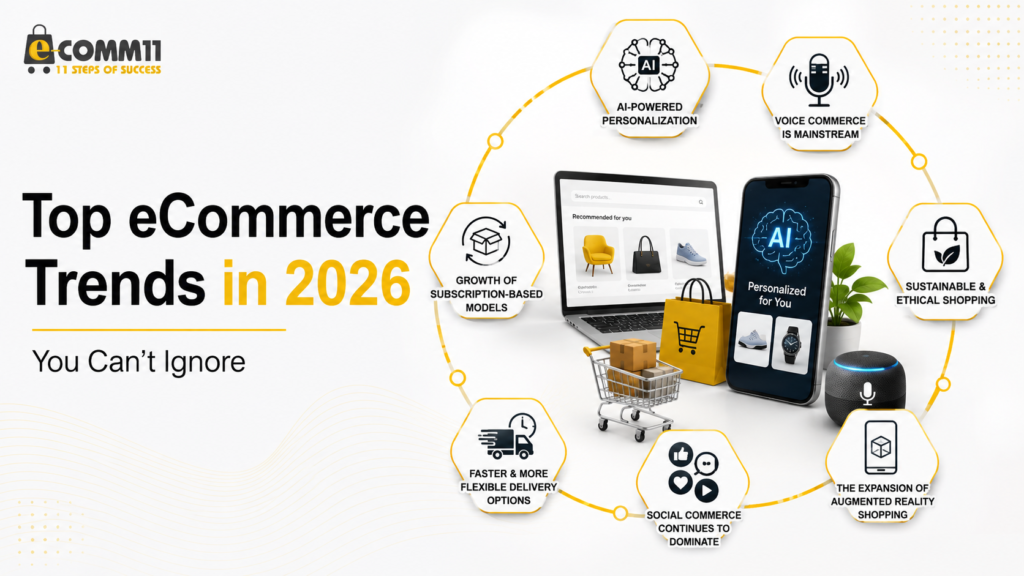
The Rise of AI-Powered Personalization
In 2026, artificial intelligence continues to redefine how consumers interact with online stores, making personalization more advanced than ever before. eCommerce platforms are leveraging AI to analyze customer behavior, preferences, and purchase history in real time to deliver hyper-personalized experiences. From tailored product recommendations to dynamic pricing strategies, businesses are using machine learning algorithms to increase customer engagement and conversion rates. This trend not only improves customer satisfaction but also enhances brand loyalty, as shoppers feel understood and valued. Additionally, AI-driven chatbots and virtual assistants are becoming more conversational and human-like, providing instant support and guiding customers through their purchasing journey. As competition grows, businesses that fail to adopt AI personalization risk falling behind, making it a critical investment for sustainable growth in the modern digital marketplace.
Voice Commerce Is Becoming Mainstream
Voice commerce is rapidly transforming the way people shop online, driven by the increasing adoption of smart speakers and voice-enabled devices. In 2026, consumers are more comfortable using voice commands to search for products, place orders, and track deliveries. This shift is encouraging businesses to optimize their platforms for voice search by focusing on natural language processing and conversational keywords. Unlike traditional text-based searches, voice queries tend to be longer and more specific, requiring brands to rethink their SEO strategies. Moreover, voice commerce offers convenience and speed, making it particularly appealing for repeat purchases and everyday essentials. As technology continues to evolve, voice recognition systems are becoming more accurate and secure, reducing friction in the buying process. Businesses that integrate voice capabilities into their eCommerce strategy will gain a competitive edge in this rapidly expanding market segment.
Sustainable and Ethical Shopping Practices
Sustainability is no longer a niche concern but a mainstream expectation among consumers in 2026. Shoppers are increasingly prioritizing brands that demonstrate environmental responsibility and ethical practices. This trend is pushing eCommerce businesses to adopt eco-friendly packaging, reduce carbon emissions, and ensure transparency in their supply chains. Consumers are also demanding more information about product origins, labor practices, and environmental impact before making purchasing decisions. As a result, brands are incorporating sustainability metrics and certifications directly into their product pages. Additionally, resale, rental, and circular economy models are gaining traction, allowing customers to make more conscious choices. Companies that align their values with sustainability not only contribute positively to the environment but also build stronger relationships with socially aware customers. Ignoring this trend can lead to reputational risks and loss of trust in an increasingly conscious marketplace.
The Expansion of Augmented Reality Shopping
Augmented reality (AR) is revolutionizing online shopping by bridging the gap between physical and digital experiences. In 2026, AR technology allows customers to visualize products in their real-world environment before making a purchase. Whether it’s trying on clothes virtually, placing furniture in a living room, or testing makeup shades, AR enhances confidence in buying decisions and reduces return rates. Retailers are investing heavily in AR features to provide immersive and interactive experiences that mimic in-store shopping. This technology is particularly impactful in industries like fashion, beauty, and home decor, where visual accuracy is crucial. As smartphones and wearable devices become more advanced, AR applications are becoming more accessible and user-friendly. Businesses that adopt AR not only improve customer satisfaction but also differentiate themselves in a crowded marketplace, making it a key trend shaping the future of eCommerce.
Social Commerce Continues to Dominate
Social commerce is becoming a dominant force in the eCommerce landscape, blending social media engagement with seamless shopping experiences. In 2026, platforms are evolving into full-fledged marketplaces where users can discover, review, and purchase products without leaving the app. Influencer marketing plays a crucial role in this ecosystem, as consumers trust recommendations from content creators more than traditional advertisements. Live shopping events, interactive content, and user-generated reviews are driving higher engagement and conversion rates. Brands are focusing on building authentic relationships with their audiences through storytelling and community-driven campaigns. Additionally, advanced targeting and analytics tools enable businesses to reach the right customers at the right time. As social media continues to influence purchasing behavior, companies that embrace social commerce strategies will be better positioned to capture attention and drive sales in an increasingly digital-first world.
Faster and More Flexible Delivery Options
In 2026, customer expectations for delivery speed and flexibility have reached new heights, pushing eCommerce businesses to innovate their logistics strategies. Same-day and even one-hour deliveries are becoming more common in urban areas, driven by advancements in supply chain technology and last-mile delivery solutions. Companies are also offering flexible delivery options, such as scheduled time slots, locker pickups, and contactless delivery, to enhance convenience for customers. Automation and robotics are playing a significant role in streamlining warehouse operations and reducing fulfillment times. Additionally, the use of drones and autonomous vehicles is being explored to further optimize delivery efficiency. Businesses that prioritize fast and reliable shipping not only improve customer satisfaction but also gain a competitive advantage. As consumers continue to value speed and convenience, efficient logistics will remain a critical factor in eCommerce success.
Growth of Subscription-Based Models
Subscription-based eCommerce models are gaining significant traction in 2026, offering convenience and value to both businesses and consumers. These models allow customers to receive products on a recurring basis, ranging from everyday essentials to curated experiences. Subscription services provide predictable revenue streams for businesses while fostering long-term customer relationships. Personalization plays a key role in enhancing subscription experiences, as companies tailor offerings based on individual preferences and usage patterns. Additionally, flexible subscription plans, easy cancellations, and customizable delivery schedules are becoming standard expectations. This trend is particularly popular in industries such as beauty, food, fitness, and digital services. By focusing on customer retention and consistent engagement, subscription models help brands build loyalty and reduce acquisition costs. As consumer lifestyles become more convenience-driven, subscription-based eCommerce is set to remain a powerful growth strategy in the years ahead.