
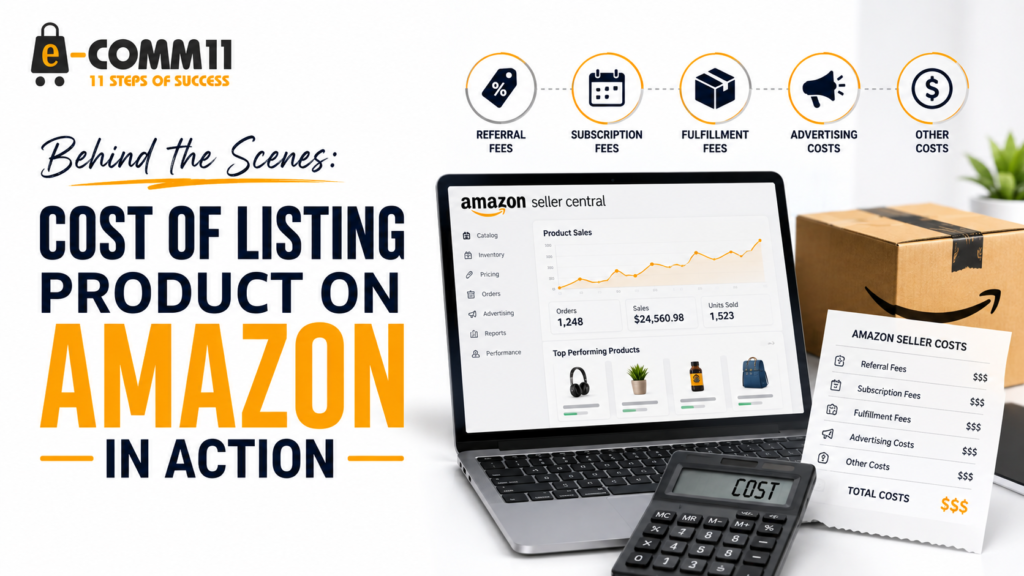
As the world of e-commerce continues to grow, more businesses are looking to Amazon as a viable platform to list their products. However, many sellers often overlook the behind-the-scenes costs associated with listing products on Amazon. Understanding these costs is crucial for maximizing your profits and ensuring a successful selling experience. In this blog, we’ll explore the various expenses involved, as well as tips to optimize your listings effectively.
Understanding Amazon Seller Fees
Amazon seller fees can be categorized into several types, and knowing them will help you budget your selling strategy effectively:
- Referral Fees: Amazon charges a percentage of the total sales price for each product sold. This percentage varies by category, typically ranging from 6% to 45%.
- Subscription Fees: If you sell more than 40 items a month, it’s cost-effective to sign up for a Professional Selling Plan, which costs $39.99 per month. Occasional sellers can opt for the Individual Selling Plan which has no monthly fee but incurs a $0.99 fee per item sold.
- Fulfillment Fees: For sellers using Fulfilled by Amazon (FBA), there are additional handling and storage fees. These depend on item size and weight, making it vital to understand how these fees accumulate.
- Advertising Costs: To gain visibility, many sellers invest in Amazon ads. These costs can vary widely depending on competition and the effectiveness of your campaigns.
Additional Costs to Consider
In addition to the direct seller fees, there are other important costs that can impact your overall expenses:
Product Sourcing Costs
Before listing your product, consider how much it costs to source or manufacture your items. This could include:
- Materials and supplies
- Shipping and logistics
- Labor costs
Packaging and Branding
Investing in good packaging and branding can enhance your product’s appeal, but these costs should also be accounted for. Quality packaging not only builds brand reputation but can reduce returns by ensuring products arrive safely.
Returns and Refunds
Be prepared for the possibility of returns. According to research, about 30% of online orders are returned. Accounting for potential return costs in your pricing strategy is vital to prevent unexpected losses.
Tips for Reducing Costs
To succeed on Amazon, it’s not just about knowing your costs; you must also find ways to minimize them:
- Optimize Product Listings: Use relevant keywords, high-quality images, and engaging product descriptions to improve your rankings and increase sales.
- Analyze Competitors: Monitor your competitors to understand their pricing and marketing strategies.
- Leverage Promotions and Discounts: Offering limited-time promotions can drive sales and help you move inventory more quickly.
Conclusion
In summary, understanding the costs of listing products on Amazon involves considering a range of seller fees and additional expenses. By keeping these factors in mind and strategizing accordingly, you can maximize your profits and create a successful selling experience.