
In the ever-evolving landscape of global trade, understanding how tariffs influence consumer choices is crucial for businesses and marketers alike. Recent surveys reveal that tariffs significantly impact purchasing decisions, especially as consumers navigate the complexities of pricing and product availability. In this blog, we will explore how tariffs shape consumer behavior and what it means for e-commerce businesses.
The Basics of Tariffs
Tariffs are taxes imposed by governments on imported goods. These taxes can lead to increased prices for consumers, affecting their purchasing decisions. The goal of tariffs is often to protect domestic industries, but they can also lead to unintended consequences for consumers and businesses. Here are a few key points to consider:
- Increased product prices due to higher import costs.
- Shifts in availability of certain goods.
- Consumer sentiment towards domestic products may increase.
Recent Survey Insights
Surveys conducted in the past year show distinct trends in consumer behavior related to tariffs. Here are some notable findings:
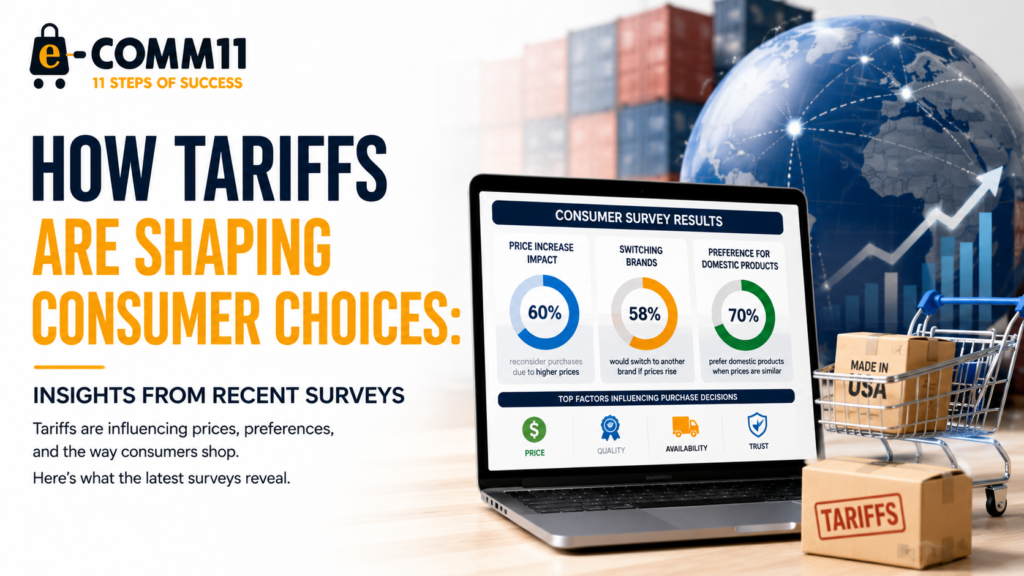
- Price Sensitivity: Over 60% of consumers reported reconsidering their purchases based on price increases due to tariffs.
- Brand Loyalty: Many consumers indicated they would switch to a competitor brand if their preferred products became too expensive.
- Domestic Preference: There is a growing consumer preference for domestically produced goods, with 70% of survey respondents stating they would choose local products over imported ones if prices were comparable.
Impact on E-commerce
The rise of e-commerce has added another dimension to the discussion on tariffs. Online shopping provides consumers with access to a wider range of products, but tariffs can complicate the decision-making process. Here are some e-commerce considerations:
Pricing Strategies
E-commerce brands need to develop effective pricing strategies in response to tariffs. Here are some tips:
- Monitor global markets to stay informed about tariff changes.
- Use dynamic pricing models to adjust prices based on tariff implications.
- Highlight the value of domestic products to reinforce consumer confidence.
Consumer Communication
Clear communication with consumers about how tariffs affect pricing can build trust. Consider these tactics:
- Provide transparency regarding price changes due to tariffs.
- Educate consumers on the benefits of supporting local products.
- Engage customers through newsletters and social media to keep them informed.
Conclusion
Tariffs undeniably play a significant role in shaping consumer choices, especially in today’s interconnected economy. As businesses navigate these challenges, understanding consumer sentiment and adapting strategies accordingly is essential for success. By being proactive and responsive to tariff changes, e-commerce brands can effectively meet consumer needs and maintain their competitive edge.
If you need help navigating the complexities of tariffs and their impact on your business, contact our agency today for tailored insights and strategies!