
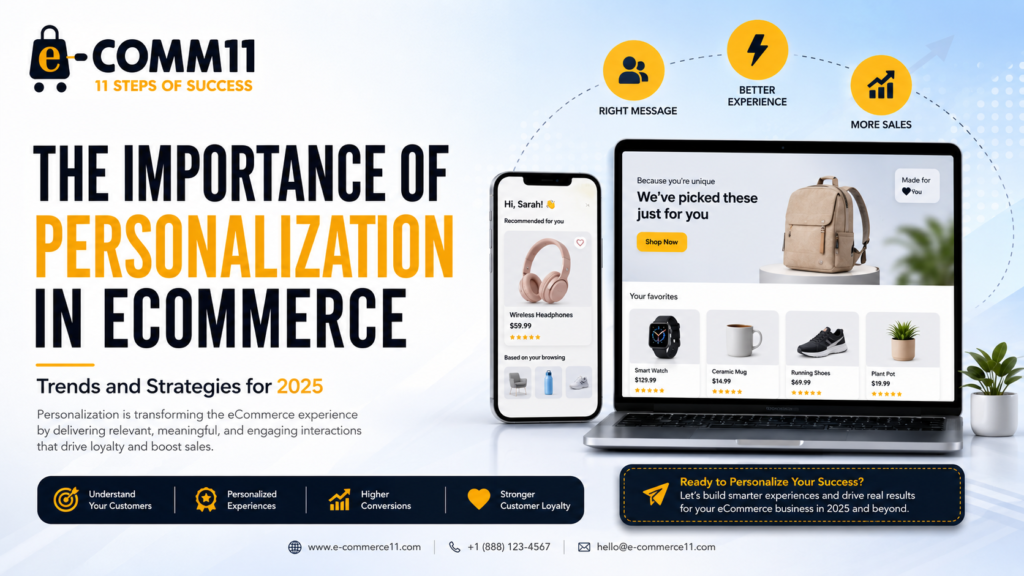
In the fast-paced world of eCommerce, personalization has become a key differentiator for businesses looking to enhance customer experience and drive sales. As we look toward 2025, understanding the trends and effective strategies for personalization is essential for staying ahead in the competitive landscape.
Why Personalization Matters in Ecommerce
Personalization is not just a buzzword; it’s a powerful tool that can significantly impact customer engagement, loyalty, and conversion rates. Here are some compelling reasons why personalization is crucial in the eCommerce sector:
- Improved Customer Experience: Tailored experiences lead to happier customers.
- Higher Conversion Rates: Personalized recommendations can boost sales.
- Increased Customer Loyalty: When customers feel valued, they are more likely to return.
Current Trends in Personalization
As we approach 2025, several trends are shaping the future of personalization in eCommerce. Businesses must adapt to these trends to remain competitive.
1. AI-Driven Personalization
Artificial Intelligence (AI) is revolutionizing how eCommerce platforms analyze customer data. AI algorithms can understand customer behavior and preferences, leading to more accurate recommendations. Examples include:
- Dynamic pricing based on individual buying patterns.
- Personalized email marketing campaigns using customer data.
2. Omnichannel Personalization
Consumers engage with brands across multiple channels. Providing a seamless and personalized experience on each platform is vital. This means
- Integrating data across websites, mobile apps, and social media.
- Using customer data to provide a consistent experience, whether online or in-store.
3. Enhanced Data Privacy Practices
With growing concerns about data privacy, eCommerce businesses must prioritize transparent and ethical data collection practices. Some effective strategies include:
- Offering clear opt-in and opt-out options for data collection.
- Ensuring compliance with regulations like GDPR to build customer trust.
Effective Strategies for Implementing Personalization
Implementing a successful personalization strategy can seem daunting. However, by focusing on specific actions, businesses can create engaging experiences for their customers.
1. Understand Your Audience
Conduct thorough market research to identify customer segments. Utilize tools like:
- Surveys to gather direct feedback.
- Analytics platforms to study customer behavior.
2. Optimize Product Recommendations
Utilize recommendation engines to showcase products that are likely to appeal to individual customers. This could be based on:
- Past purchase behavior.
- Browsing history on your site.
3. Personalize Email Campaigns
Segment your email lists based on customer preferences and behaviors. Tailoring content in emails can improve open and click-through rates, leading to:
- Increased engagement with your brand.
- Higher conversion rates on promotional campaigns.
Conclusion
Personalization is no longer an option but a necessity in eCommerce. As we move into 2025, businesses that invest in understanding their customers and implementing personalized strategies will not only enhance customer experience but also drive revenue growth. Don’t miss out on the opportunity to elevate your eCommerce strategy through effective personalization.
Ready to boost your eCommerce business with personalization strategies? Contact our agency today for expert advice and tailored solutions to enhance your customer experience.