
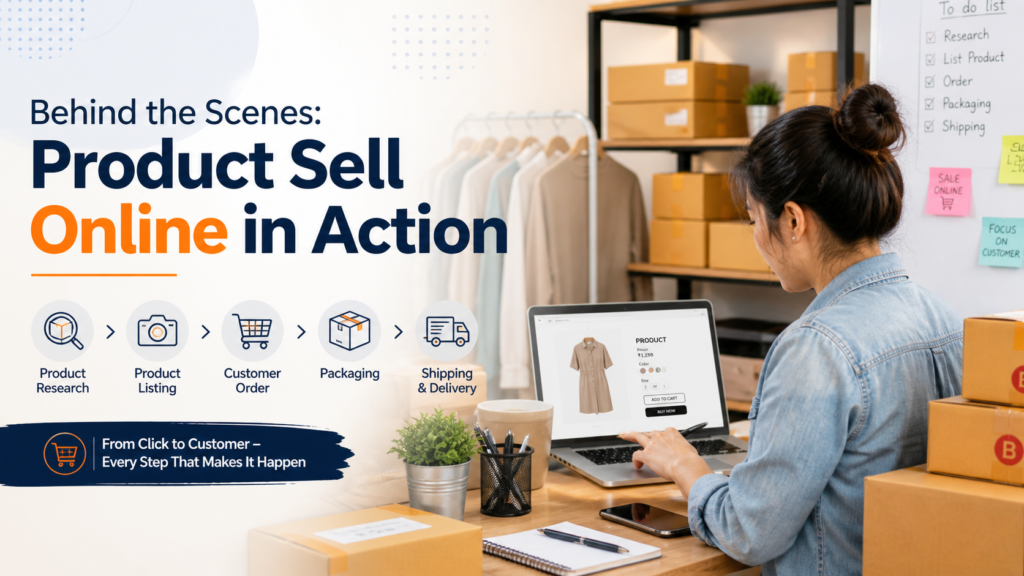
In today’s digital landscape, selling products online is not just a trend it’s a necessity for businesses aiming for growth and sustainability. The ability to reach customers globally, coupled with advancements in technology, makes e-commerce an attractive avenue for entrepreneurs. But what does it really take to sell products successfully online? In this article, we will take you behind the scenes of online product sales, outlining strategies, practices, and case studies to provide valuable insights into making your e-commerce venture a success
Understanding the E-Commerce Landscape
The e-commerce industry has witnessed exponential growth over the past few years. According to Statista, global e-commerce sales are projected to reach $6.54 trillion by 2024. This rapid growth indicates that businesses can no longer overlook the importance of having a strong online presence.
- Market Place Selection: Choosing the right platform is crucial. Popular options include Shopify, WooCommerce, BigCommerce, and marketplaces like Amazon and eBay.
- Audience Targeting: Knowing your target audience is essential for effective marketing strategies.
- Product Selection: Selecting the right products that meet customer needs can make or break your sales.
Building Your Online Store
Once you have a grasp on the landscape, the next step involves building a user-friendly online store. Here’s how to do it:
Choose the Right Platform
Look for user-friendly platforms that offer customization, scalability, and reliability. Remember to consider factors such as payment gateways, customer support, and mobile compatibility.
Optimize for Search Engines
SEO is critical in driving organic traffic to your store. Here are some tips:
- Use relevant keywords in product descriptions.
- Optimize images with alt tags.
- Create engaging meta descriptions for each product.
Create a Seamless User Experience
Ensure that your website is easy to navigate, loads quickly, and is mobile-friendly. A seamless user experience often leads to higher conversion rates.
Effective Marketing Strategies
Marketing is a critical aspect of selling products online. Without effective marketing strategies, even the best products can get lost in the sea of online competition.
Social Media Marketing
Utilizing platforms like Facebook, Instagram, and Pinterest can significantly increase your reach. Create engaging posts and consider paid advertising to target specific demographics.
Email Marketing
Email marketing can be a powerful tool for building customer relationships. Regular newsletters, special offers, and personalized emails can help keep your brand top-of-mind.
Content Marketing
Creating valuable content related to your products can help attract potential customers. Blog posts, how-to videos, and tutorials not only engage users but also improve SEO.
Analyzing Case Study: XYZ Fashion
To put these strategies to the test, let’s take a look at a case study of XYZ Fashion, a fictional brand that sells eco-friendly fashion products online.
XYZ Fashion started its e-commerce journey with a brand new Shopify store. They focused on sustainable clothing and used the following strategies:
- Platform: They chose Shopify due to its ease of use and built-in SEO capabilities.
- Social Media Campaigns: They created visually appealing ads on Instagram, showcasing their products in everyday settings, which resonated with their target demographics.
- Email Marketing: They gathered emails through discounts on first purchases, allowing them to build a substantial mailing list.
Within six months of launching, XYZ Fashion achieved a 300% increase in online sales, primarily driven by their targeted marketing strategies and an SEO-optimized website. Their effective use of social media and content marketing helped establish a loyal customer base that frequently engaged with the brand.
Utilizing Analytics to Drive Sales
To continuously improve your online sales process, using analytics tools is vital. Platforms like Google Analytics and social media insights can help track user behavior, sales trends, and identify areas for improvement. Here’s how to make the most of these tools:
- Set Clear Goals: Define what you want to measure, such as conversion rates, traffic sources, and bounce rates.
- Monitor User Behavior: Analyze how users interact with your site to identify problematic areas that need attention.
- Adjust Accordingly: Use the data you collect to refine your marketing strategies and improve customer experience.
Conclusion: The Path to E-Commerce Success
Selling products online is more than just listing items for sale. It involves strategic planning, effective marketing, and continuous adaptation to market trends. By following the insights shared in this article and utilizing real-world case studies, you can better position yourself for success in the e-commerce space.
If you’re ready to take the next step in your online selling journey or need more personalized guidance, contact us today to see how we can help elevate your e-commerce strategy!