
Best Practices for Ecommerce Platform Security – Ecommerce Security Best Practices
By Ecomm11 Team ·
Best Practices for Ecommerce Platform Security
1. Keep Software Updated
Regularly update your ecommerce platform, plugins, and extensions to patch vulnerabilities and strengthen security defenses. Enable automatic updates whenever possible to ensure that your software is always up-to-date with the latest security patches.
2. Implement SSL Encryption
Install an SSL certificate to encrypt data transmitted between your customers’ browsers and your ecommerce website, ensuring secure and encrypted communication. Display trust seals and SSL badges prominently on your website to reassure customers that their information is safe and secure.
3. Use Strong Authentication
Implement multi-factor authentication (MFA) for administrative access to your ecommerce platform to add an extra layer of security beyond passwords. Encourage customers to use strong, unique passwords for their accounts and consider offering options for biometric authentication.
4. Secure Payment Processing
Choose reputable and PCI DSS-compliant payment gateways to handle online transactions securely. Implement additional security measures such as address verification (AVS) and card verification value (CVV) to prevent fraudulent transactions.
5. Monitor and Analyze
Regularly monitor your ecommerce platform for suspicious activities, unauthorized access attempts, and unusual transaction patterns. Use security monitoring tools and analytics to identify potential security threats and take proactive measures to mitigate risks.
By following these best practices, you can enhance the security of your ecommerce platform, build trust with your customers, and safeguard sensitive data from cyber threats.
Contact us at +91 911 891 1174 for expert guidance and support in implementing ecommerce security best practices.
Chat with us on WhatsApp!
Related posts

The Role of Influencer Marketing in Ecommerce
BigCommerceToday’s ecommerce customers don’t make buying decisions the same way they did a few years ago. Instead of relying only on advertisements or product descriptions, many shoppers discover products through social media, creator recommendations, product reviews, and short-form videos. Before making a purchase, they often look for authentic opinions from people they trust. This shift […]

Headless Commerce: What It Is and Why It Matters
BigCommerceIn the rapidly evolving world of ecommerce, businesses are constantly seeking innovative solutions to stay ahead of the competition. One such solution that has gained significant traction is headless commerce. But what exactly is headless commerce, and why does it matter? This blog will delve into the concept of headless commerce, its benefits, and why […]
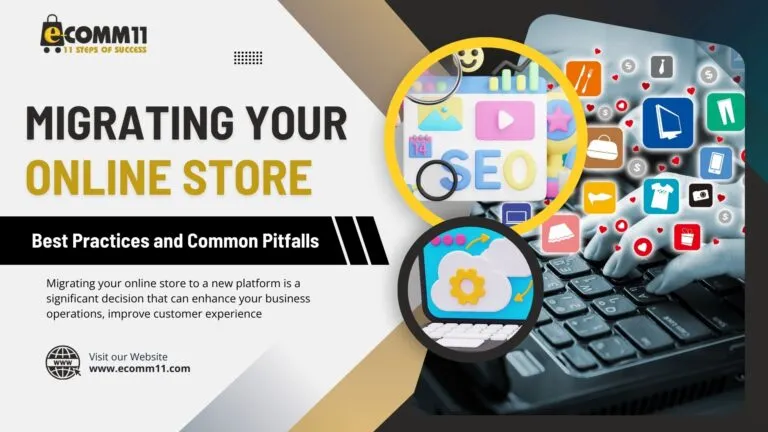
Migrating Your Online Store: Best Practices and Common Pitfalls
BigCommerceMigrating your online store to a new platform is a significant decision that can enhance your business operations, improve customer experience, and boost your overall sales. However, the process can be complex and challenging without proper planning and execution. This comprehensive guide will walk you through the best practices for migrating your online store while […]