
Headless Commerce: What It Is and Why It Matters
By Avinash ·
Understanding Headless Commerce
Headless commerce refers to the separation of the frontend and backend of an ecommerce platform. In traditional ecommerce setups, the frontend (what the customers see) and the backend (where data is managed) are tightly integrated. However, with headless commerce, these two layers are decoupled, allowing businesses to manage them independently.
How Headless Commerce Works
In a headless commerce setup, the backend functions through APIs that communicate with various frontend interfaces. This means that the backend is responsible for managing product data, inventory, customer information, and orders, while the frontend can be any user interface, such as a website, mobile app, or even a smart device. The API acts as a bridge, ensuring smooth communication between the backend and the frontend.
Benefits of Headless Commerce
- Flexibility: Create custom experiences across multiple channels without backend limitations.
- Speed: Update frontend features quickly without disrupting backend operations.
- Scalability: Easily add new touchpoints as your business grows.
- Improved Performance: Optimize frontend and backend independently for faster load times and better UX.
- Future-Proofing: Easily adopt new technologies, tools, and trends.
Headless Commerce vs. Traditional Commerce
- Traditional Commerce: Tightly coupled frontend and backend; updates are time-consuming and inflexible.
- Headless Commerce: Decoupled architecture; allows rapid development and experimentation on the frontend.
Real-World Examples of Headless Commerce
- Amazon: Provides a smooth cross-device experience with headless architecture.
- Walmart: Uses APIs to deliver fast, unified commerce across platforms.
- Nike: Delivers personalized UX by decoupling their backend from multiple customer touchpoints.
Challenges of Headless Commerce
- Complexity: Requires skilled developers to implement and maintain.
- Cost: Initial setup and custom development can be expensive.
- Integration: Coordinating data flow across APIs and touchpoints can be challenging.
Choosing the Right Headless Commerce Platform
- Scalability: Ensure the platform can grow with your business.
- Flexibility: Look for integration options and frontend framework compatibility.
- Support: Choose a provider with a reliable team and active community.
- Cost: Factor in all costs, setup, development, and ongoing maintenance.
Future of Headless Commerce
The future of ecommerce is heading toward flexibility, customization, and scalability. Headless commerce supports this shift by allowing businesses to:
- Launch new digital experiences faster
- Adopt new sales channels like smart devices or kiosks
- Personalize customer journeys across touchpoints
- Integrate with AI, AR, and future technologies
Implementing Headless Commerce
- Assess Your Needs: Identify goals and target areas for improvement.
- Choose the Right Platform: Work with a partner like Ecomm11 to find scalable headless solutions.
- Plan Your Implementation: Define timelines, team roles, and infrastructure requirements.
- Test and Optimize: Iterate on performance and user feedback.
Case Studies of Headless Commerce Success
- Fashion Retailer: Boosted mobile sales by 30% after implementing a headless mobile app.
- Electronics Brand: Increased overall sales by 25% after integrating headless commerce across global storefronts.
What to do next
Headless commerce is changing the ecommerce landscape by offering unparalleled flexibility, scalability, and performance. For businesses looking to stay competitive and meet the ever-changing demands of consumers, adopting a headless commerce approach is a strategic move.
If you’re ready to take your ecommerce platform to the next stage, contact us today at +91 91189 11174. Our team at Ecomm11 is here to guide you through the process and help you implement a solution that meets your unique needs.
For instant assistance, click here to WhatsApp us. We’re here to help you every step of the way!
Related posts
The Role of Influencer Marketing in Ecommerce
BigCommerceToday’s ecommerce customers don’t make buying decisions the same way they did a few years ago. Instead of relying only on advertisements or product descriptions, many shoppers discover products through social media, creator recommendations, product reviews, and short-form videos. Before making a purchase, they often look for authentic opinions from people they trust. This shift […]
Migrating Your Online Store: Best Practices and Common Pitfalls
BigCommerceMigrating your online store to a new platform is a significant decision that can enhance your business operations, improve customer experience, and boost your overall sales. However, the process can be complex and challenging without proper planning and execution. This comprehensive guide will walk you through the best practices for migrating your online store while […]
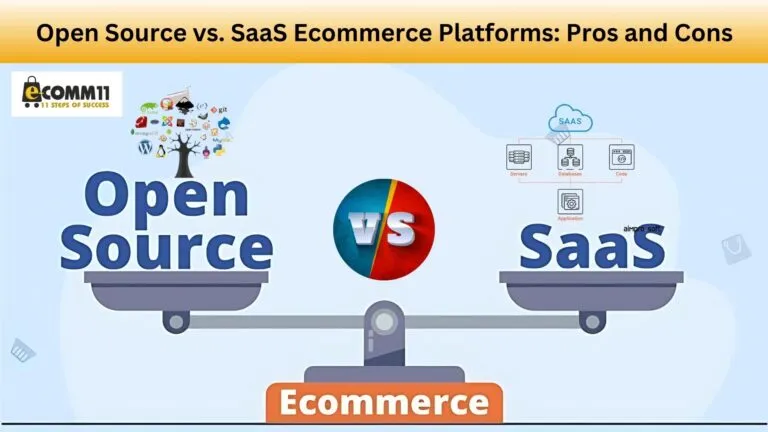
Open Source vs. SaaS Ecommerce Platforms: Pros and Cons
BigCommerceIntroduction When starting an online store, one of the most important decisions is choosing the right eCommerce platform. There are two main types of eCommerce platforms: open source and SaaS (Software as a Service). Each has its own set of advantages and disadvantages. In this blog, we will discuss the pros and cons of open […]