
How to Implement a Just-In-Time Inventory System
By Ecomm11 Team ·
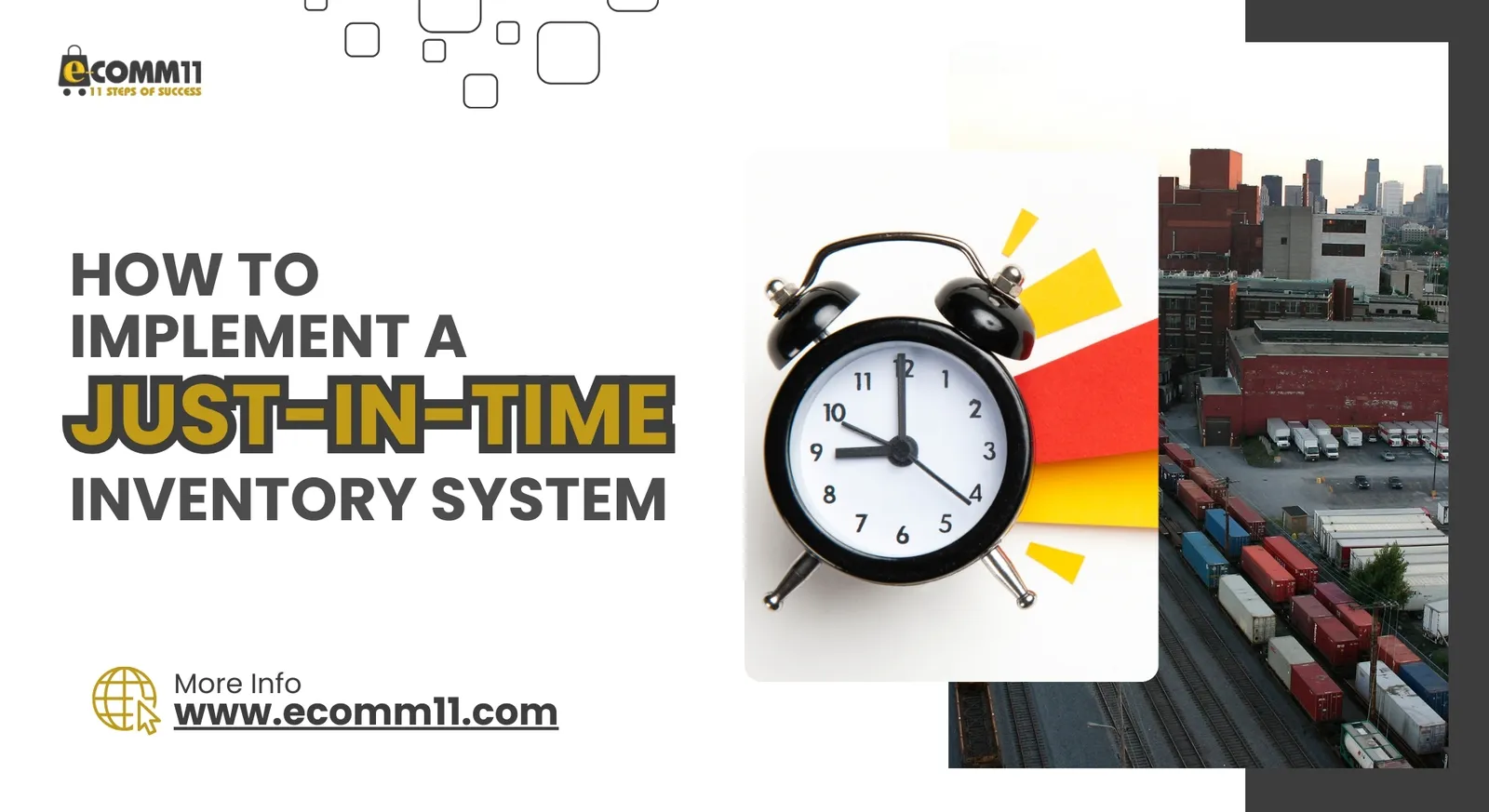
Implementing a Just-In-Time (JIT) inventory system can significantly reduce waste and improve efficiency in your business.
JIT inventory management focuses on receiving goods only when they are needed for production or sales, minimizing storage costs and reducing the risk of overstocking.
Here’s a guide on how to implement a JIT inventory system effectively.
Understand the Basics of JIT Inventory
Before implementing JIT, it’s crucial to understand its core principles. JIT inventory aims to have materials arrive just in time for production, reducing holding costs and improving cash flow.
This system requires precise demand forecasting and a reliable supply chain to function effectively.
Assess Your Current Inventory System
Start by evaluating your existing inventory management system. Identify areas where you can reduce inventory levels without affecting production or sales.
Look for inefficiencies and determine how a JIT system could address these issues.
Establish Strong Supplier Relationships
Reliable suppliers are critical for a successful JIT system. Build strong relationships with your suppliers to ensure timely deliveries.
Consider entering into long-term contracts to secure favorable terms and prioritize deliveries.
Effective communication with suppliers is key to ensuring they understand your JIT requirements.
Invest in Inventory Management Software
Advanced inventory management software can streamline your JIT implementation. These tools help in tracking inventory levels in real-time, forecasting demand accurately, and automating reorder processes.
Choose software that integrates well with your existing systems and provides solid reporting capabilities.
Explore software integration options on our Services Page.
Train Your Staff
Proper training is essential for the successful implementation of a JIT system. Ensure that your staff understands the principles of JIT and their roles in maintaining an efficient inventory system.
Training should cover demand forecasting, order processing, and supplier communication.
Streamline Your Production Processes
Optimize your production processes to align with JIT principles. This involves reducing batch sizes, minimizing setup times, and eliminating bottlenecks.
Streamlining production processes helps in reducing lead times and ensures that materials are used efficiently.
Implement Lean Inventory Management Techniques
Incorporate lean inventory management techniques to complement your JIT system. These techniques focus on minimizing waste and maximizing value.
Practices such as 5S (Sort, Set in order, Shine, Standardize, Sustain) and Kanban can help in maintaining an organized and efficient inventory system.
Monitor and Adjust
Continuously monitor the performance of your JIT system. Use key performance indicators (KPIs) such as inventory turnover rates, order accuracy, and supplier lead times to assess the effectiveness of your JIT implementation.
Be prepared to make adjustments based on your findings to further improve efficiency.
Benefits of JIT Inventory
- Reduced inventory holding costs
- Improved cash flow
- Minimized waste and obsolescence
- Enhanced supplier relationships
- Greater efficiency and productivity
By following these steps, you can successfully implement a JIT inventory system and enjoy its numerous benefits.
This approach not only reduces costs but also enhances your overall operational efficiency.
Ready to implement a Just-In-Time inventory system? Contact us at +91 911 891 1174 to learn more about our JIT solutions!
Related posts

The Role of Influencer Marketing in Ecommerce
BigCommerceToday’s ecommerce customers don’t make buying decisions the same way they did a few years ago. Instead of relying only on advertisements or product descriptions, many shoppers discover products through social media, creator recommendations, product reviews, and short-form videos. Before making a purchase, they often look for authentic opinions from people they trust. This shift […]
Headless Commerce: What It Is and Why It Matters
BigCommerceIn the rapidly evolving world of ecommerce, businesses are constantly seeking innovative solutions to stay ahead of the competition. One such solution that has gained significant traction is headless commerce. But what exactly is headless commerce, and why does it matter? This blog will delve into the concept of headless commerce, its benefits, and why […]
Migrating Your Online Store: Best Practices and Common Pitfalls
BigCommerceMigrating your online store to a new platform is a significant decision that can enhance your business operations, improve customer experience, and boost your overall sales. However, the process can be complex and challenging without proper planning and execution. This comprehensive guide will walk you through the best practices for migrating your online store while […]