
How to Manage Inventory for Multiple Warehouses
By Ecomm11 Team ·
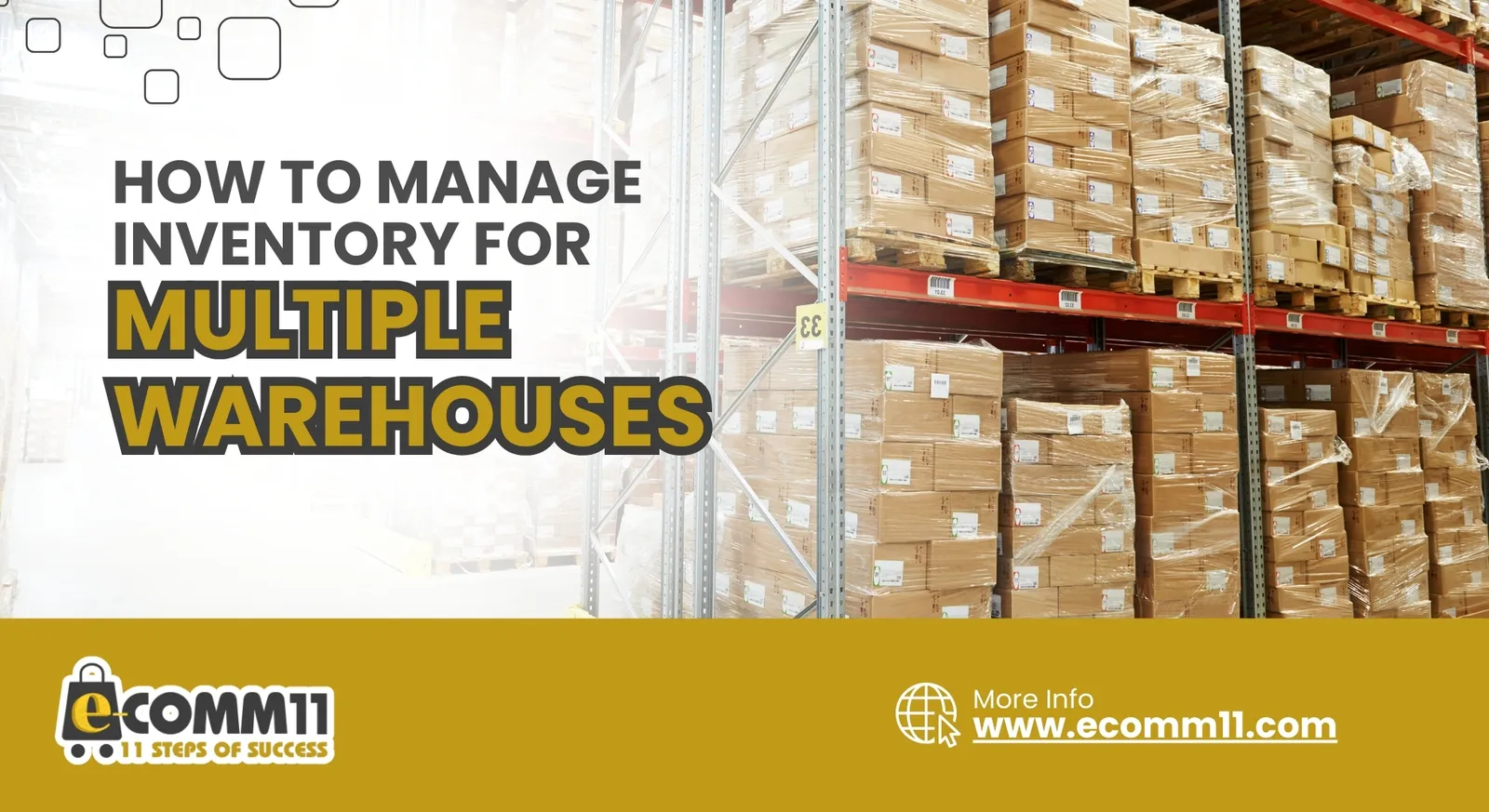
Managing inventory across multiple warehouses can be a challenging task. However, with the right strategies, businesses can efficiently coordinate their inventory and ensure smooth operations. This blog explores effective methods for handling multi-warehouse inventory management.
Implement Centralized Inventory Control
Centralized inventory control is crucial for managing multiple warehouse locations. By using a centralized system, businesses can track inventory levels across all warehouses in real-time. This helps in maintaining accurate stock records and prevents issues like overstocking or stockouts.
Use Advanced Inventory Management Software
Investing in advanced inventory management software is essential for multi-warehouse operations. Such software allows for smooth integration and coordination between different warehouse locations. Features like real-time tracking, automated reorder points, and analytics tools can significantly enhance efficiency.
Coordinate Inventory Across Warehouses
Effective coordination is key to managing distributed inventory. Regular communication and data sharing between warehouses help in balancing stock levels. Implementing a solid inventory transfer system can also facilitate the movement of stock between locations as needed.
Optimize Warehouse Locations
Strategically placing warehouses based on customer locations and demand patterns can optimize inventory management. This reduces shipping times and costs, ensuring faster delivery to customers. Analyzing sales data can help in determining the best locations for warehouses.
Implement Just-In-Time Inventory Management
Just-In-Time (JIT) inventory management can be particularly effective for multi-warehouse operations. JIT reduces the need for large stockpiles by ensuring that inventory is replenished just in time to meet demand. This approach minimizes storage costs and reduces the risk of obsolete stock.
Use Real-Time Inventory Tracking
Real-time inventory tracking technology, such as RFID and barcoding, provides instant updates on stock levels. This visibility is crucial for managing inventory across multiple warehouses. Real-time tracking helps in quickly identifying discrepancies and making informed decisions.
Develop a Comprehensive Inventory Strategy
Creating a comprehensive inventory management strategy is essential for multi-warehouse operations. This includes setting clear policies for stock levels, reorder points, and inventory audits. Regularly reviewing and updating the strategy ensures it remains effective as business needs evolve.
Use Data Analytics
Data analytics plays a vital role in multi-warehouse inventory management. Analyzing inventory data helps in understanding demand patterns, optimizing stock levels, and identifying slow-moving items. This data-driven approach leads to better decision-making and improved efficiency.
Train Staff Effectively
Proper training for warehouse staff is crucial for effective inventory management. Employees should be well-versed in using inventory management systems and following established procedures. Regular training sessions ensure that staff stay updated on best practices and new technologies.
Monitor and Improve Continuously
Continuous monitoring and improvement are essential for managing multi-warehouse inventory. Regular audits and performance reviews help in identifying areas for improvement. Implementing feedback from these reviews leads to a more efficient and effective inventory management system.
Managing inventory across multiple warehouses requires careful planning and the right tools. By implementing these strategies, businesses can ensure smooth operations and meet customer demands effectively.
Need Help with Multi-Warehouse Inventory?
Visit our services page to explore professional inventory solutions or contact us at +91 911 891 1174 for expert assistance made for your business.
Related posts

The Role of Influencer Marketing in Ecommerce
BigCommerceToday’s ecommerce customers don’t make buying decisions the same way they did a few years ago. Instead of relying only on advertisements or product descriptions, many shoppers discover products through social media, creator recommendations, product reviews, and short-form videos. Before making a purchase, they often look for authentic opinions from people they trust. This shift […]

Headless Commerce: What It Is and Why It Matters
BigCommerceIn the rapidly evolving world of ecommerce, businesses are constantly seeking innovative solutions to stay ahead of the competition. One such solution that has gained significant traction is headless commerce. But what exactly is headless commerce, and why does it matter? This blog will delve into the concept of headless commerce, its benefits, and why […]
Migrating Your Online Store: Best Practices and Common Pitfalls
BigCommerceMigrating your online store to a new platform is a significant decision that can enhance your business operations, improve customer experience, and boost your overall sales. However, the process can be complex and challenging without proper planning and execution. This comprehensive guide will walk you through the best practices for migrating your online store while […]