
Open Source vs. SaaS Ecommerce Platforms: Pros and Cons
By Avinash ·
Introduction
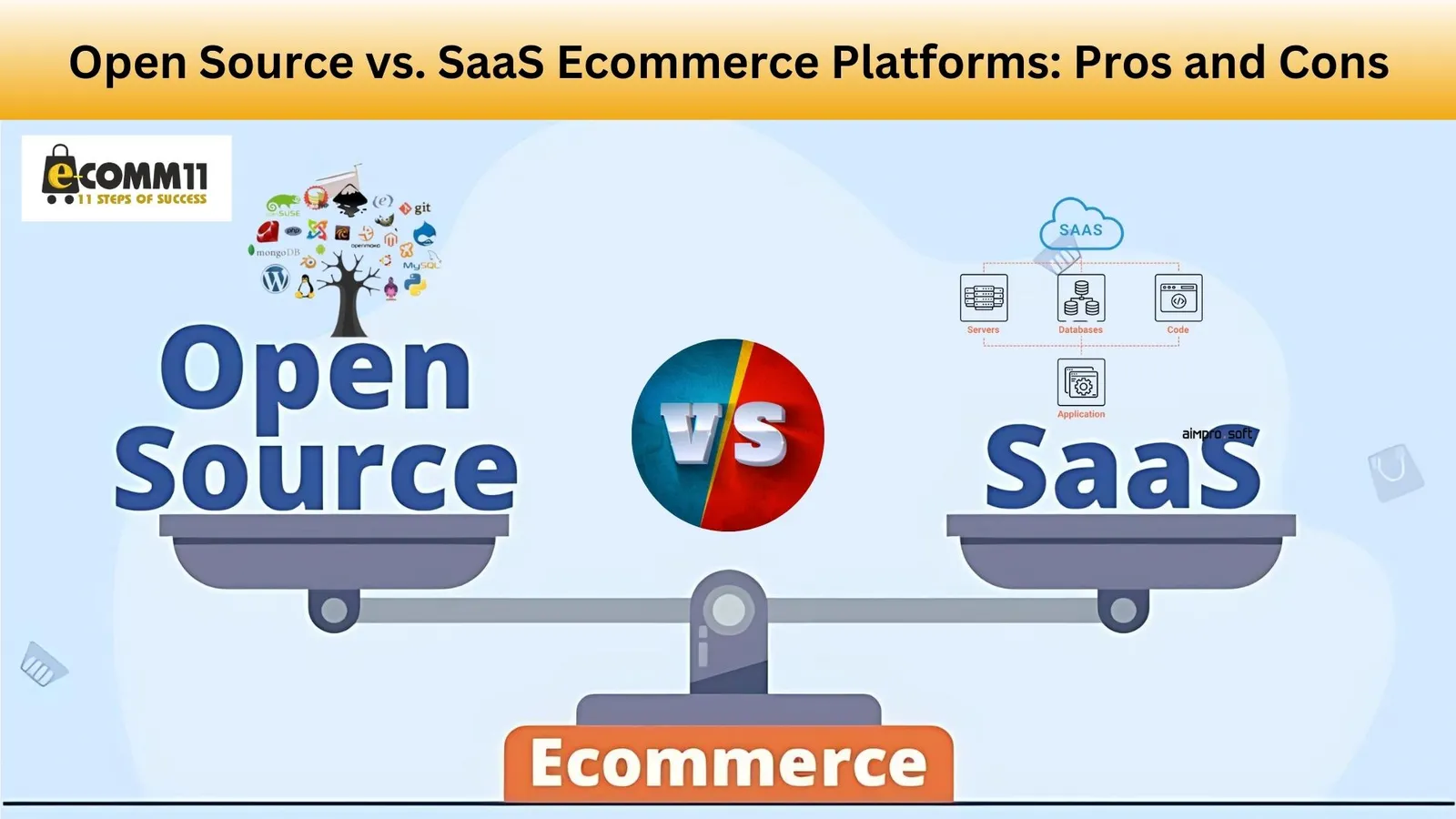
When starting an online store, one of the most important decisions is choosing the right eCommerce platform. There are two main types of eCommerce platforms: open source and SaaS (Software as a Service). Each has its own set of advantages and disadvantages. In this blog, we will discuss the pros and cons of open source vs. SaaS eCommerce platforms, helping you make an informed decision for your business.
What are Open Source eCommerce Platforms?
Open source eCommerce platforms are systems where the source code is freely available to anyone. This allows users to modify, customize, and enhance the platform according to their needs. Some popular open source eCommerce platforms include WooCommerce, Magento, and PrestaShop.
Pros of Open Source eCommerce Platforms
Full Customization
With open source platforms, you have complete control over the source code. This means you can customize every aspect of your online store to meet your specific requirements.
-
- Flexibility: Modify and enhance the platform to suit your business needs.
When starting an online store, one of the most important decisions is choosing the right eCommerce platform. There are two main types of eCommerce platforms: open source and SaaS (Software as a Service). Each has its own set of advantages and disadvantages. In this blog, we will discuss the pros and cons of open source vs. SaaS eCommerce platforms, helping you make an informed decision for your business.
What are Open Source eCommerce Platforms?
Open source eCommerce platforms are systems where the source code is freely available to anyone. This allows users to modify, customize, and enhance the platform according to their needs. Some popular open source eCommerce platforms include WooCommerce, Magento, and PrestaShop.
Pros of Open Source eCommerce Platforms
Full Customization
With open source platforms, you have complete control over the source code. This means you can customize every aspect of your online store to meet your specific requirements.
-
-
- Flexibility: Modify and enhance the platform to suit your business needs.
- Unique Features: Add unique features and functionalities that set your store apart.
-
Cost-Effective
Open source platforms are usually free to use. You don’t have to pay any licensing fees, which can be a significant cost-saving for small businesses.
-
-
- Free Software: Most open source platforms do not require a license fee.
- Budget-Friendly: Allocate your budget to other areas such as marketing and development.
-
Community Support
Open source platforms have large communities of developers and users. This means you can find plenty of resources, tutorials, and forums to help you troubleshoot issues and learn new skills.
-
-
- Active Community: Benefit from a large, active community of developers and users.
- Resources: Access to a wealth of tutorials, forums, and documentation.
-
No Vendor Lock-In
Since you have control over the source code, you are not tied to any specific vendor. This gives you the freedom to choose your hosting provider and other service providers.
-
-
- Freedom: No dependency on a single vendor.
- Choice: Select the best hosting and service providers for your needs.
-
Cons of Open Source eCommerce Platforms
Technical Complexity
-
-
- Steep Learning Curve: Requires technical knowledge to set up and manage.
- Developer Dependency: May need to hire developers for customization and maintenance.
-
Maintenance and Updates
-
-
- Regular Maintenance: Ongoing maintenance and updates are required.
- Security Patches: Ensure timely application of security patches and updates.
-
Security Concerns
-
-
- Vulnerability: Potential for security threats if not properly managed.
- Proactive Measures: Implement strong security measures and regular updates.
-
What are SaaS eCommerce Platforms?
SaaS eCommerce platforms are subscription-based services where the software is hosted and managed by the service provider. Popular SaaS eCommerce platforms include Shopify, BigCommerce, and Wix eCommerce.
Pros of SaaS eCommerce Platforms
Ease of Use
-
-
- User-Friendly: Easy to set up and use without technical knowledge.
- Quick Setup: Get your store up and running quickly.
-
Maintenance-Free
-
-
- Managed Services: Provider handles maintenance, updates, and security.
- Focus on Business: Concentrate on growing your business without technical distractions.
-
Scalability
-
-
- Flexible Plans: Upgrade your plan as your business grows.
- Handles Growth: Platform can manage increased traffic and sales.
-
Built-In Features
-
-
- Comprehensive Features: Access to a wide range of built-in features.
- All-in-One Solution: Integrated tools for payment, marketing, and analytics.
-
Cons of SaaS eCommerce Platforms
Limited Customization
-
-
- Customization Limits: Restricted ability to customize the platform.
- Template Constraints: Limited to available templates and themes.
-
Recurring Costs
-
-
- Subscription Fees: Ongoing monthly or annual fees.
- Cost Accumulation: Expenses can increase as you upgrade your plan.
-
Vendor Dependency
-
-
- Provider Reliance: Dependence on the service provider for all services.
- Policy Changes: Business can be impacted by provider’s policy changes.
-
Data Control
-
-
- Data Privacy: Data is stored on provider’s servers.
- Access Limitations: Limited control over your data.
-
Key Differences Between Open Source and SaaS eCommerce Platforms
-
-
- Customization and Control: Open source platforms offer complete control and customization. SaaS platforms are limited to available features and templates.
- Cost Structure: Open source is generally free, with added hosting/development costs. SaaS involves recurring subscription fees.
- Technical Requirements: Open source requires technical expertise. SaaS is beginner-friendly.
- Maintenance and Support: Open source needs self-maintenance. SaaS provides fully managed services.
- Scalability: SaaS is easily scalable with upgrades. Open source may require more effort and infrastructure.
-
Choosing the Right Platform for Your Business
-
-
- Assess Your Business Needs: Know your product count, audience, and channels.
- Consider Your Budget: Weigh costs of setup, hosting, development, and recurring fees.
- Evaluate Customization Needs: Choose open source for control; SaaS for convenience.
- Review Technical Expertise: Go open source if you have dev support. Else, use SaaS.
- Scalability and Growth: Ensure the platform supports your long-term growth.
- Test and Compare: Use free trials and demos to decide.
- Seek Professional Advice: Consult eCommerce professionals or agencies for guidance.
-
Choosing between open source and SaaS eCommerce platforms is a critical decision for your online business. By understanding the pros and cons of each option, you can make an informed choice that meets your business needs. If you need assistance with selecting the best eCommerce platform for your business,
feel free to contact us at +91 91189 11174 or send us a WhatsApp message.
Related posts

The Role of Influencer Marketing in Ecommerce
BigCommerceToday’s ecommerce customers don’t make buying decisions the same way they did a few years ago. Instead of relying only on advertisements or product descriptions, many shoppers discover products through social media, creator recommendations, product reviews, and short-form videos. Before making a purchase, they often look for authentic opinions from people they trust. This shift […]
Headless Commerce: What It Is and Why It Matters
BigCommerceIn the rapidly evolving world of ecommerce, businesses are constantly seeking innovative solutions to stay ahead of the competition. One such solution that has gained significant traction is headless commerce. But what exactly is headless commerce, and why does it matter? This blog will delve into the concept of headless commerce, its benefits, and why […]
Migrating Your Online Store: Best Practices and Common Pitfalls
BigCommerceMigrating your online store to a new platform is a significant decision that can enhance your business operations, improve customer experience, and boost your overall sales. However, the process can be complex and challenging without proper planning and execution. This comprehensive guide will walk you through the best practices for migrating your online store while […]